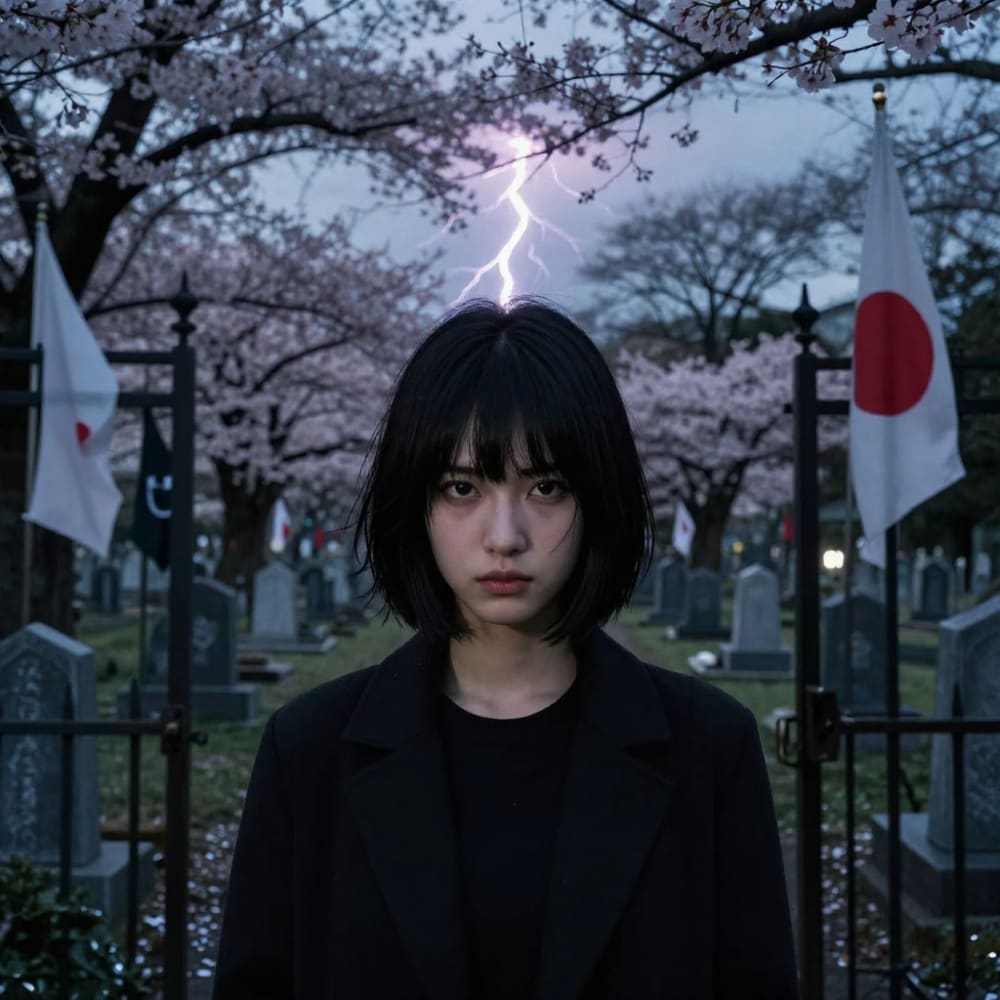
Prime Minister Sanae Takaichi's Japan: Locking the Gates on Graves and Grace.
Let's cut the politeness—Japan's new Prime Minister Sanae Takaichi isn't just tweaking immigration; she's slamming the door on dignity for foreigners, and the graveyard fiasco is the ugliest symptom yet. In a country that's already stingy with space and sentiment, her administration's December 2025 policies are turning welcoming the world into a bad joke, especially for Muslims who can't even bury their dead without begging.
Start with the core rot: burial rights. Japan's cremation norm is cultural, sure—over 99% of funerals torch bodies, per government stats—but that's no excuse to stonewall dedicated Muslim cemeteries. Just last month, a parliamentary push for a large Islamic site in Miyagi Prefecture got scrapped after overwhelming resident opposition, as reported in local debates.
Takaichi's crew nodded along, citing long-standing traditions and vague land-use laws that prioritize locals. Echoes a September incident where another planned site folded under pressure. Result? Over 230,000 Muslims in Japan—many skilled workers, her government claims to crave—face a nightmare: smuggling bodies abroad for burial or forcing families into heartbreaking cremations that violate Islamic faith. It's not policy; it's cruelty dressed as custom. Why? Fearmongering. Takaichi's rhetoric paints foreigners as burdens, stoking polls showing 60% of Japanese worry about cultural erosion from immigrants, per a 2025 Asahi survey. Now, zoom out to the laws she's forging. Her Ministerial Council on Foreign Nationals, kicked off on November 4, is compiling a comprehensive package by year's end—think caps on worker visas, stricter land-buying rules for non-citizens, and fast-track deportations for any misbehavior.
The Diplomat nailed it: this isn't reform; it's regression. Foreigners can't snap up rural plots without scrutiny, visas get yanked for minor infractions like noise complaints, and even legal residents face re-verification every few years. Takaichi's vow to properly manage inflows? Code for quotas—aiming to slash unskilled entries by 20% in 2026, while hyping high-skilled only. And crime? Reuters fact-checked the hysteria: no mass deportations, but stricter enforcement means more raids on overstays, with penalties jumping to five-year bans.
It's a selective welcome: come build our cars, but don't breathe too loud. Why the clampdown? Follow the yen and the votes. Japan's population is cratering—1.2 million drop last year alone, per the stats bureau—and Takaichi's LDP clings to power by pandering to rural conservatives who see foreigners as job-stealers. Her Sanseito alliance amps the nationalism: Protect our way of life, they chant, while ignoring how these rules gut sectors like nursing and farming that beg for migrants. Economically? Short-sighted suicide.
IMF warns Japan's GDP growth stalls at 0.5% without immigration; Takaichi's betting on robots instead, but who's programming them? Not the locals fleeing cities. And the Muslim graveyard snub? It's the human face of this mess— a stark you're temporary to a community that's integrated for decades. No wonder Amnesty's calling it discriminatory under UN conventions Japan signed. Forward? Dark unless pushed. Protests are bubbling in Tokyo's mosques, international pressure from Indonesia and Malaysia could sting trade deals, and younger Japanese—Gen Z at 70% pro-diversity in polls—are eyeing her out.
But Takaichi dug in, eyeing the 2026 elections. If she wins, expect more fences: maybe cultural compatibility tests for visas. Japan risks becoming a hermit kingdom 2.0—rich, rigid, and rotting from isolation.
This isn't leadership; it's legacy of loss. Takaichi, step up: graves for all, or watch your great Japan shrink to a ghost town. The world—and your own people—deserve better.